Historical Places of National Capital Region (NCR)

Intramuros - The "Walled City," or Intramuros, is the oldest neighborhood in Manila and is also known as the "Old Spanish City." Visiting Intramuros is like traveling back in time to the Spanish colonial era because it has been so well preserved and continues to be greatly affected by it. The Philippine capital is located in Intramuros, which was the old city of Manila and was constructed in the sixteenth century. It has endured various natural disasters as well as invasions by foreign nations including the Netherlands, China, and Portugal.
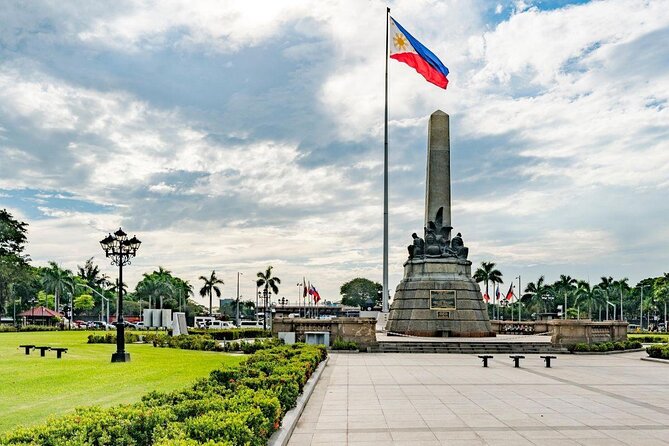
Rizal Park - is also known as Luneta Park, is a large public park located in the heart of Manila. It is named after the Philippine national hero, Dr. Jose Rizal, who was executed at the site in 1896. The park features lush greenery, ponds, fountains, and a variety of sculptures and monuments, including the Rizal Monument. Visitors can relax on the grass, take a stroll, or have a picnic while enjoying the park's serene atmosphere and beautiful surroundings. Rizal Park is also a popular spot for cultural events, concerts, and gatherings.
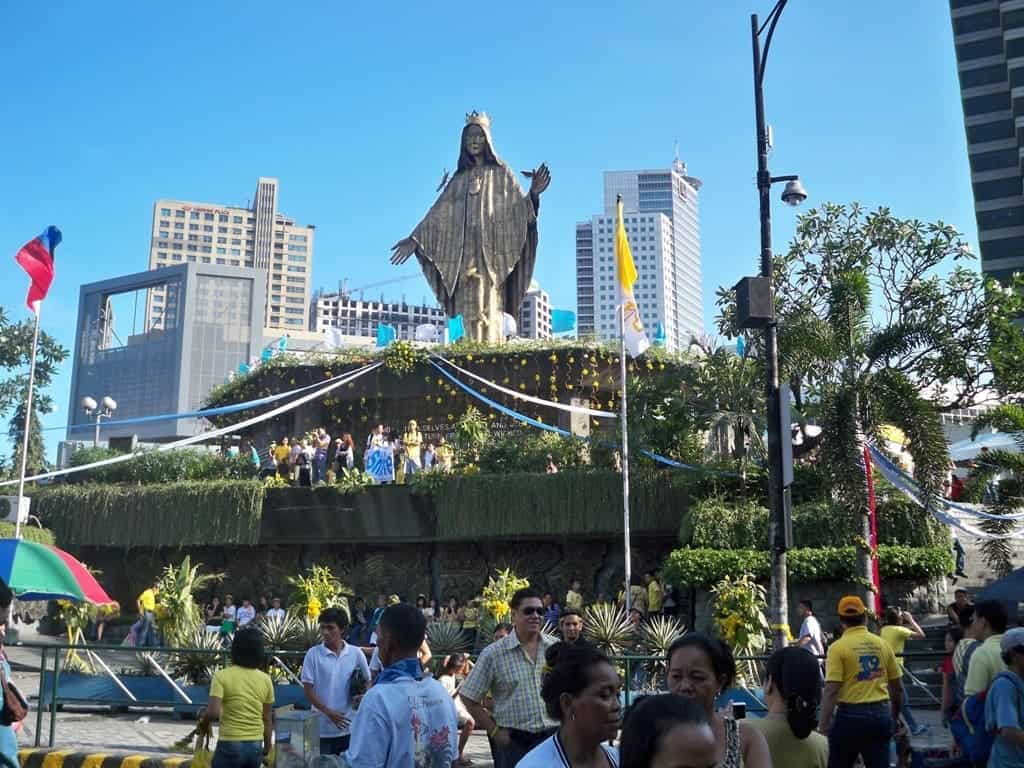
EDSA Shrine - The Shrine of Mary, Queen of Peace, also known as the EDSA SHRINE, is one of the most recent historical sites in Manila as it honors two peaceful demonstrations in Philippine history. It is situated in the middle of two of the busiest roads in the metro, EDSA (Epifanio Delos Santos Avenue) and Ortigas Avenue.
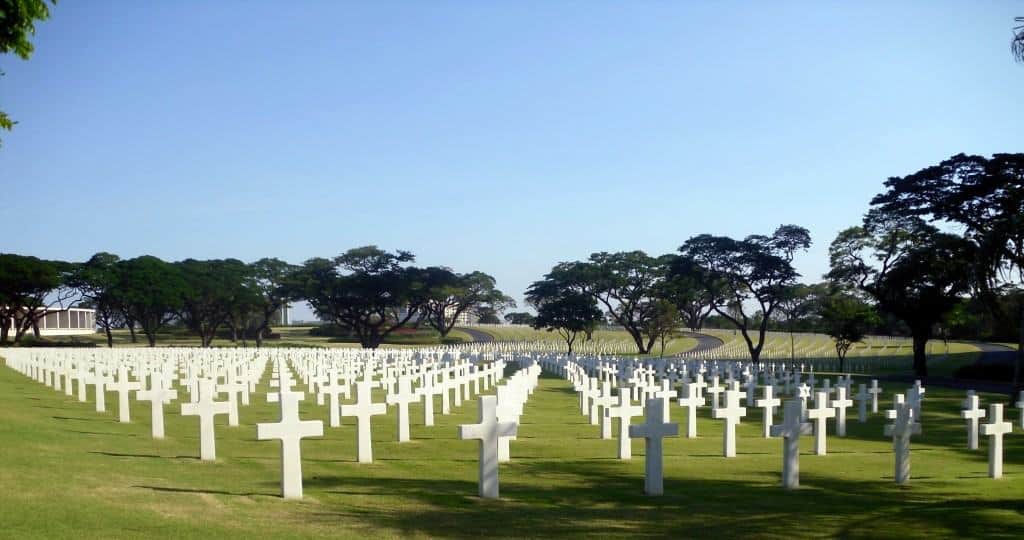
LIBINGAN NG MGA BAYANI - Libingan ng mga Bayani, also known as Heroes' Cemetery, is a national cemetery located within Fort Bonifacio that was established in 1947. It serves as the final resting place for heroes, martyrs, and military personnel who have passed away, the majority of whom were defenders of the Allied Liberation of the Philippines from 1942 to 1945 during World War II.
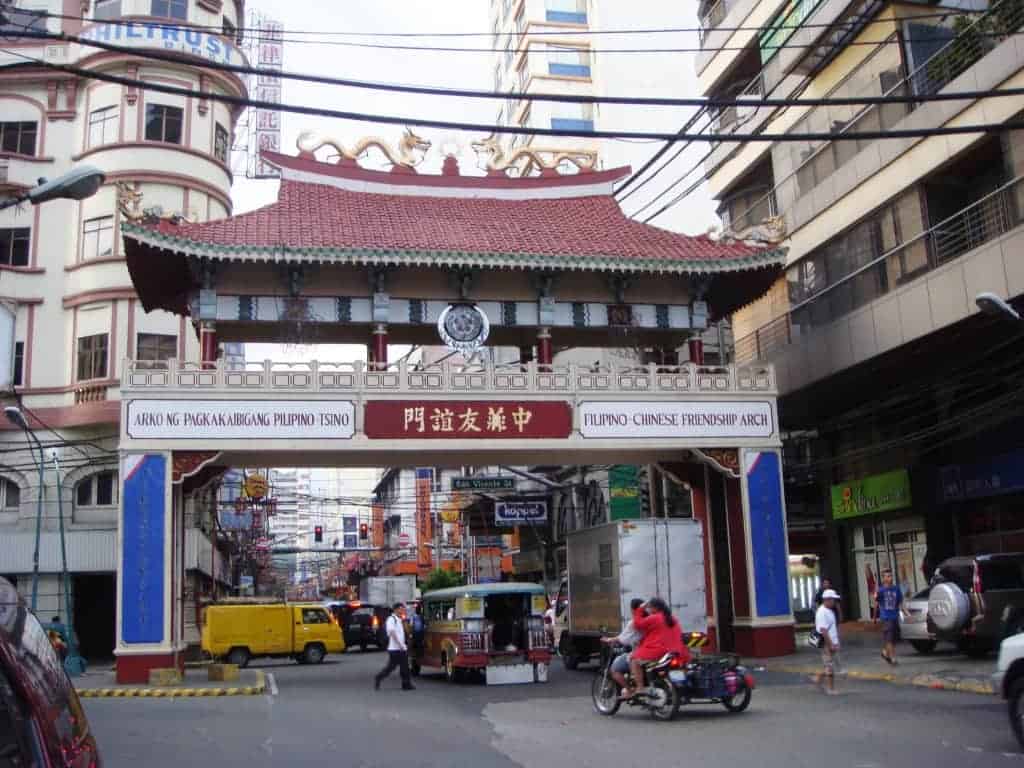
Binondo is home to the oldest Chinatown in the entire globe. In order to serve the Chinese immigrants who converted to Catholicism, it was established in 1594 by the Spanish governor Luis Perez Dasmarinas. Due to the influx of Filipino-Chinese business people trading to serve the neighboring inhabited areas, such as Intramuros and Tondo, the neighborhood later emerged as the center of Manila's market and trade.